Cannabis products are available in a wide range of formats, varieties, and profiles, making familiar terminology useful for shoppers exploring their options. The traditional Sativa vs Indica distinction remains one of the most recognizable ways to describe cannabis varieties, particularly when discussing genetics and general plant characteristics. Today, these categories can appear across flower, pre-rolls, concentrates, edibles, and other product formats, often alongside more detailed information about cannabinoids and terpenes.
Table of Contents
- How Do These Categories Appear on Cannabis Products?
- What Does an Indica Label Typically Represent?
- How Is Sativa Represented in Product Descriptions?
- Where Do Hybrids Fit Into Product Categories?
- How Does Flower Show Category Differences?
- Do Pre-Rolls Follow the Same Classifications?
- How Are Concentrates Connected to These Categories?
- Do Edibles Use Sativa and Indica Labels?
- Why Are Terpenes Important Across Product Types?
- How Do Cannabinoids Add More Product Information?
- What Is the Best Way to Read These Categories?
- Conclusion
How Do These Categories Appear on Cannabis Products?
Sativa and indica labels are commonly used as broad descriptors for cannabis varieties. A product may be presented as sativa, indica, or a hybrid, depending on its genetic background and how it is classified by the producer.
These labels can make large product selections easier to understand at a glance. They also provide an introductory reference before shoppers examine specific characteristics such as THC content, CBD levels, terpene profiles, aroma, and flavor.
What Does an Indica Label Typically Represent?
Indica traditionally refers to cannabis plants associated with compact growth, broader leaves, and dense structures. When the term appears in product descriptions, it generally points toward genetics connected with these traditional characteristics.
Indica can be found across multiple product formats. Flower may be identified by its cultivar, while pre-rolls and other products may use the same classification to describe the underlying cannabis genetics.
How Is Sativa Represented in Product Descriptions?
Sativa traditionally describes cannabis plants associated with taller growth, narrower leaves, and a more open structure. In product descriptions, the term can identify varieties connected with this traditional genetic background.
Sativa classifications may appear on flower, pre-rolls, concentrates, and other cannabis products. The exact characteristics can differ between individual cultivars, making the product’s complete profile an important part of understanding the selection.
Where Do Hybrids Fit Into Product Categories?
Hybrid varieties have become an important part of modern cannabis collections. They combine genetics from different cannabis lineages and can express characteristics associated with both traditional categories.
A hybrid product may therefore offer a profile that does not fit neatly into a simple indica or sativa description. This broad genetic spectrum has contributed to the diversity seen across contemporary cannabis products.
How Does Flower Show Category Differences?
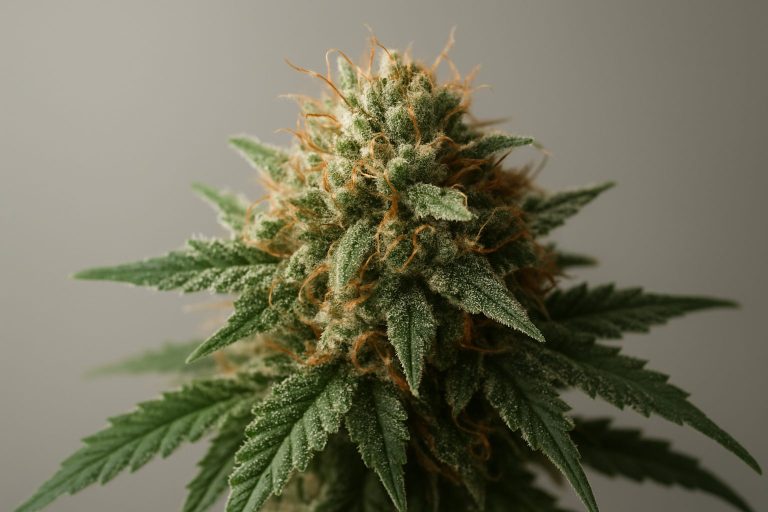
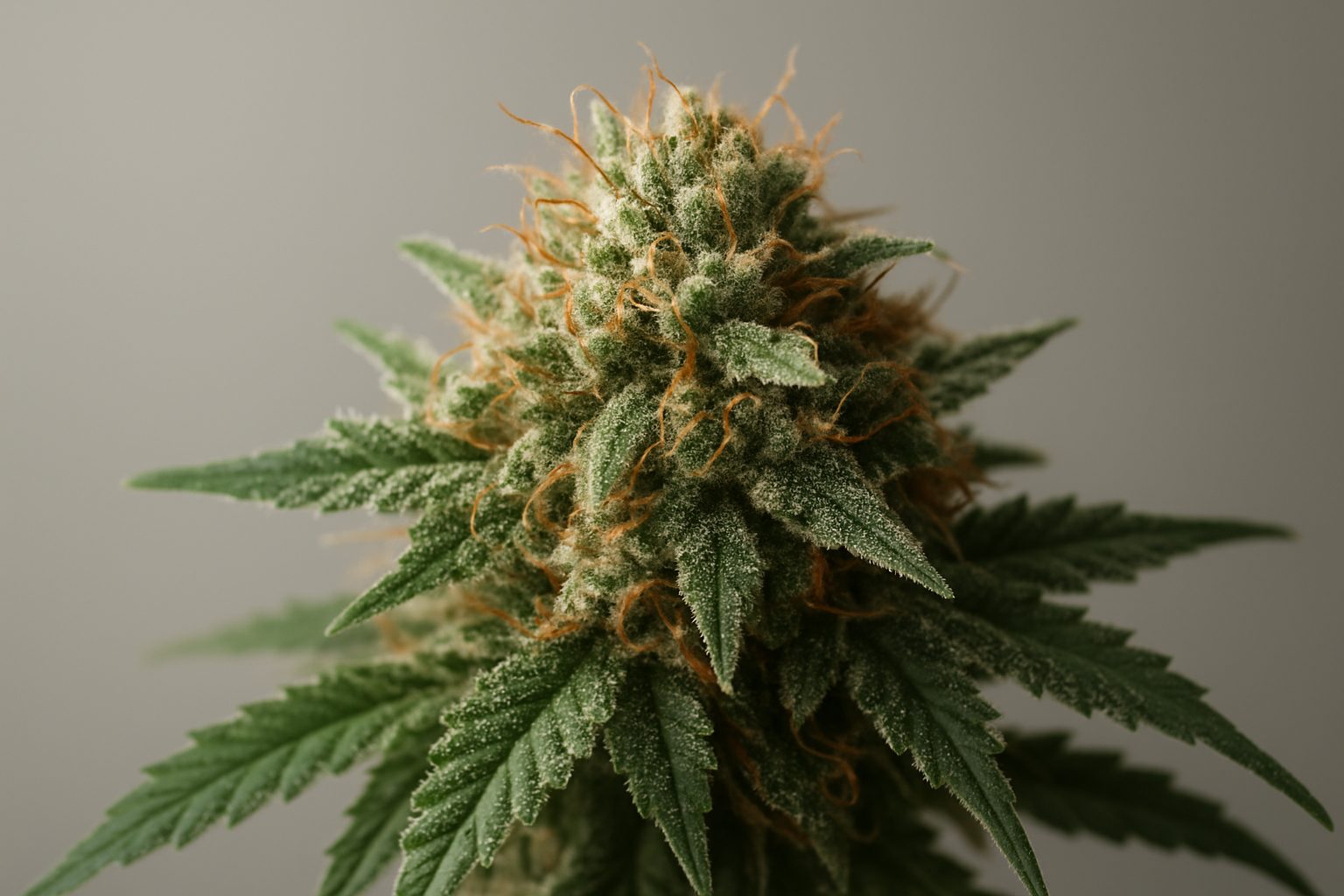
Flower provides an opportunity to observe several physical characteristics directly. Bud structure, density, color, size, and trichome coverage can vary between cultivars.
Traditional indica-associated genetics are often linked with compact flower structures, while sativa-associated genetics may produce more elongated forms. Modern breeding means these visual traits can overlap, creating many distinctive flower appearances.
Do Pre-Rolls Follow the Same Classifications?
Pre-rolls can carry the same broad category labels as cannabis flower because their contents originate from cannabis flower or related preparations. A pre-roll may therefore be described as indica, sativa, or hybrid.
For shoppers, the category provides a general reference, while cannabinoid content, cultivar information, and terpene details can offer additional product-specific information.
How Are Concentrates Connected to These Categories?
Concentrates are produced from cannabis material and can retain characteristics associated with the source genetics. Product descriptions may identify whether a concentrate comes from an indica, sativa, or hybrid cultivar.
Because processing can change the physical form of cannabis, details such as cannabinoid concentration and terpene content become particularly useful when evaluating concentrate products.
Do Edibles Use Sativa and Indica Labels?
Some cannabis edibles may be associated with particular cannabis varieties or extracts, while others are described primarily through cannabinoid content and formulation.
When category information is provided, it can offer additional context about the source material. However, shoppers can gain a more complete understanding by reviewing the product’s listed ingredients, cannabinoid concentrations, and serving information.
Why Are Terpenes Important Across Product Types?
Terpenes contribute to cannabis aroma and flavor and can remain an important part of product identity across different formats. Limonene, myrcene, pinene, and caryophyllene are examples commonly associated with cannabis profiles.
A terpene profile can explain why two products carrying the same traditional category may have different aromas or flavors. This creates another useful layer for comparing products.
How Do Cannabinoids Add More Product Information?
Cannabinoids such as THC and CBD provide measurable information about cannabis composition. Their concentrations can vary substantially among products regardless of whether they are categorized as indica, sativa, or hybrid.
Reviewing cannabinoid information alongside traditional classifications allows shoppers to understand a product from multiple perspectives rather than relying on one descriptive label.
What Is the Best Way to Read These Categories?
The most useful approach is to treat sativa and indica as broad reference points within a larger product profile. Genetics, cannabinoids, terpenes, format, aroma, flavor, and cultivation information can all add meaningful detail.
This approach reflects the diversity of modern cannabis and makes it easier to appreciate how the same traditional category can appear differently across various products.
Conclusion
Sativa and indica classifications continue to appear across the cannabis market, from flower and pre-rolls to concentrates and other product formats. Traditional indica characteristics generally include compact plant structures and broader leaves, while sativa is associated with taller growth and narrower foliage. Hybrid genetics have expanded these categories into a broad spectrum of product possibilities. By considering category labels alongside cannabinoid content, terpene profiles, genetics, and format-specific details, shoppers can develop a clearer understanding of the diverse cannabis products available today.
Quick Summary
- Cannabis products are classified using traditional Sativa and Indica labels, which help shoppers navigate various formats and varieties.
- Indica refers to cannabis plants that typically exhibit compact growth, broader leaves, and dense structures, while Sativa describes taller plants with narrower leaves.
- Hybrid varieties combine genetics from both indica and sativa categories, leading to diverse characteristics that do not fit neatly into either classification.
- Flowers and pre-rolls can carry indica, sativa, or hybrid labels, correlating to the underlying cannabis genetics they originate from.
- Terpenes in cannabis contribute to aroma and flavor, providing an additional layer of comparison among products within the same category.
- Cannabinoid concentrations can vary significantly among products, making it essential for shoppers to consider both traditional classifications and cannabinoid content.
About the Author